


Split ends, scientifically termed as “trichoptilosis,” occur when the protective outer layer of the hair, the cuticle, is damaged, exposing the inner cortex. This damage leads to the splitting of the hair shaft into two or more strands. The primary causes of split ends include excessive heat styling, chemical treatments, and environmental factors like sun exposure and pollution. Over-brushing and using harsh hair products can also contribute to this issue, making hair appear frizzy and unhealthy.
The effects of split ends are not just aesthetic. They can lead to further hair breakage and thinning, affecting the overall health of your hair. Severely damaged hair loses its elasticity and shine, making it more susceptible to tangling and breakage. Understanding the root causes of split ends is crucial in selecting the right treatment and maintaining healthy hair, which is why many people turn to the best hair salon in Islamabad for ladies for professional care and advice.
Addressing split ends promptly is essential for maintaining hair health and appearance. Ignoring them can lead to more significant damage, as the splits can travel up the hair shaft, necessitating more drastic solutions like cutting off inches of hair. By identifying the causes and effects of split ends, you can take proactive steps to prevent and treat them effectively.
The Importance of Professional Hair Treatments
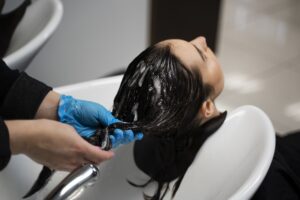
Professional hair treatments play a vital role in repairing split ends and restoring your hair’s health. Unlike at-home remedies, which may offer temporary solutions, professional treatments are specifically designed to penetrate the hair shaft and repair damage from within. These treatments often involve advanced techniques and high-quality products that are not available for at-home use.
One of the key benefits of professional hair treatments is their ability to provide tailored solutions based on your specific hair type and condition. Hair experts can assess the extent of damage and recommend the most effective hair treatment to address your unique needs. This personalized approach ensures that you receive the best possible care for your hair.
Moreover, professional treatments not only focus on repairing split ends but also work to improve the overall texture, shine, and strength of your hair. By investing in regular professional treatments, you can maintain healthy, vibrant hair and prevent future damage, ultimately saving time and money in the long run.
Common Types of Professional Hair Treatments for Split Ends
When it comes to repairing split ends, there are several professional treatments available, each designed to address specific types of hair damage. Here are some common treatments that you might consider:
- Keratin Treatments: These treatments infuse protein back into your hair, strengthening and smoothing the cuticle. They are ideal for repairing damage caused by heat styling and chemical processes.
- Deep Conditioning Treatments: Utilizing moisture-rich formulas, these treatments hydrate and nourish dry, damaged hair, improving its elasticity and resilience.
- Hair Botox: Despite its name, this treatment involves no injections. Instead, it uses a formula rich in proteins, amino acids, and vitamins to rejuvenate and repair hair from the inside out.
Each of these treatments has its own set of benefits, and choosing the right one depends on your hair type and specific needs. Consulting with a hair professional at a women or men’s salon can help you determine the most suitable treatment for you.
How to Choose the Right Treatment for Your Hair Type
Selecting the right professional hair treatment requires understanding your hair type and the extent of the damage. Here are some factors to consider:
- Hair Type: Whether your hair is straight, wavy, curly, or coily, each type has distinct needs. For example, curly hair often requires more moisture, while straight hair might benefit from treatments that provide volume and shine.
- Damage Level: Assess the severity of your split ends. If the damage is extensive, you may need a more intensive treatment like a keratin or botox treatment.
- Sensitivity: Consider any allergies or sensitivities you may have to certain ingredients. Some treatments may contain chemicals that could irritate your scalp or skin.
By understanding these factors, you can make an informed decision about which professional treatment will be most effective for your hair. A consultation with a hair specialist can provide additional insights and recommendations.
Expert Tips for Preventing Split Ends

Preventing split ends is key to maintaining healthy hair. Here are some expert tips to help you avoid this common problem:
- Regular Trims: Schedule trims every 6-8 weeks to remove split ends and prevent them from traveling up the hair shaft.
- Gentle Handling: Use a wide-tooth comb and avoid aggressive brushing, especially when your hair is wet. This minimizes breakage and damage.
- Heat Protection: Always use a heat protectant spray before using styling tools like flat irons and curling wands. This creates a barrier between your hair and the heat.
Incorporating these practices into your hair care routine can significantly reduce the occurrence of split ends and promote healthier hair.
At-Home Remedies vs. Professional Treatments
While professional treatments offer advanced solutions for repairing split ends, at-home remedies can provide supplementary care. However, it’s essential to understand the limitations of DIY solutions:
- Temporary Results: At-home remedies such as hair masks and oils can temporarily improve hair’s appearance but may not address the underlying damage.
- Limited Penetration: Professional treatments are designed to penetrate deeply into the hair shaft, something most at-home remedies cannot achieve.
- Cost-Effectiveness: At-home remedies can be more budget-friendly, but they often require frequent application to maintain results.
Ultimately, a combination of professional treatments and at-home care can offer the best results. For optimal hair health, consider incorporating a balance of both into your routine.
The Role of Hair Care Products in Repairing Split Ends
Hair care products play a crucial role in maintaining and improving hair health. Selecting the right products can enhance the effects of professional treatments and help prevent future damage. Here are some product types to consider:
- Leave-In Conditioners: These products provide ongoing moisture and protection throughout the day, helping to prevent split ends.
- Serums and Oils: Formulated with ingredients like argan oil and keratin, these products smooth the hair cuticle and add shine.
- Sulfate-Free Shampoos: Harsh sulfates can strip hair of natural oils, leading to dryness and split ends. Opt for sulfate-free formulas to maintain moisture.
Using high-quality hair care products tailored to your hair type can support the repair process and contribute to overall hair health.
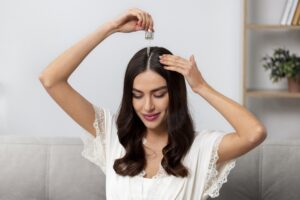
Frequency of Professional Treatments: How Often Should You Go?
Determining how often to receive professional hair treatments depends on your hair type, the extent of damage, and your personal hair goals. Here are some general guidelines:
- Severely Damaged Hair: For significant damage, consider treatments every 4-6 weeks to start, then adjust frequency as your hair’s condition improves.
- Moderately Damaged Hair: A treatment every 6-8 weeks may be sufficient for maintaining health and preventing further damage.
- Preventive Care: If your hair is in good condition, quarterly treatments can help maintain its health and prevent split ends.
Regular consultations with your stylist can help you determine the best schedule for your hair’s needs, ensuring optimal results.
Cost Factors of Professional Hair Treatments
The cost of professional hair treatments can vary widely based on several factors:
- Type of Treatment: More intensive treatments like keratin or hair botox tend to be more expensive than deep conditioning treatments.
- Salon Reputation: High-end salons may charge more due to their expertise and the quality of products used.
- Location: Prices can also vary depending on your geographic location, with urban areas typically charging more than rural locations.
Investing in professional hair treatments can be a worthwhile expense for the long-term health of your hair. Consider your budget and hair needs when selecting treatments.
Conclusion: Embracing Healthy Hair
Achieving and maintaining healthy hair requires a comprehensive approach that includes understanding the causes of split ends, selecting appropriate professional treatments, and incorporating preventive measures into your routine. By leveraging expert tips and choosing the right products, you can minimize damage and enjoy vibrant, beautiful hair.
Whether you opt for regular professional treatments or supplement them with at-home care, the key is consistency and dedication to your hair’s health. Embrace the journey to healthier hair and feel confident in your efforts to repair and prevent split ends.