


In recent years, wellness and relaxation have become increasingly important in our fast-paced lives. Among various methods to unwind, Turkish Hamams and regular spas stand out as popular choices. These two experiences, while both aimed at promoting relaxation and health, offer distinct atmospheres and treatments. Understanding the differences can help you choose the right experience tailored to your needs.
A Turkish Hammam provides a unique cultural journey, steeped in history and tradition. It is not only a place for physical cleansing but also offers a spiritual and social experience. On the other hand, regular spas have evolved with modern techniques to cater to individual wellness needs, offering a wide range of therapies and pampering services.
Historical Background of Turkish Hamam
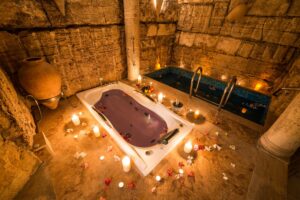
The origins of the Turkish Hamam can be traced back to the Roman baths, which were adopted and adapted by the Seljuk and Ottoman empires. These bathing rituals became an integral part of daily life, serving both as a cleansing ritual and a social gathering place. The architectural design of Hamams, with their grand marble interiors and elaborate heating systems, speaks to their historical significance and the emphasis placed on communal bathing.
During the Ottoman period, Hamams were not just places to bathe but hubs of social interaction where people gathered to celebrate various life events such as weddings and births. The Hamam culture played a crucial role in community life, offering a space for relaxation and conversation, often complemented by elements of traditional massage, along with traditional music and refreshments. This communal aspect continues to define the Hamam experience today.
The historical depth of the Turkish Hamam is reflected in its rituals, which have remained relatively unchanged over centuries. The ceremonial process of heating, steaming, scrubbing, and massaging is a testament to the enduring appeal of this traditional bathing practice. Understanding this rich history enhances the allure of the Hamam experience, making it an attractive option for those seeking both physical and cultural enrichment.
Key Features of a Turkish Hamam
A Turkish Hamam is characterized by its unique architectural design, which includes a series of interconnected rooms, each with a specific function. The main room, known as the “hararet,” is typically a large, domed space heated by a continuous flow of hot air. This warm environment helps to open pores and promote sweating, which is essential for detoxification.
The bathing ritual in a Hamam is a multi-step process that begins with relaxation in the hararet, followed by a vigorous scrubbing with a traditional “kese” mitt. This exfoliation process removes dead skin cells, leaving your skin feeling rejuvenated and fresh. After the scrub, you are treated to a soothing soap massage, which uses natural olive oil soap to hydrate and nourish the skin, creating a complete beauty treatments bath experience.
A distinctive feature of the Hamam experience is the focus on communal bathing. Unlike the private sessions common in modern spas, Hamams encourage a shared experience, fostering a sense of community and connection. This aspect is particularly appealing for those who enjoy social interaction and cultural immersion while they unwind and refresh.
Regular Spa Treatments and Services Overview
Regular spas offer a diverse range of treatments designed to promote relaxation, beauty, and overall well-being. These establishments generally provide a more personalized experience, with a variety of services tailored to meet individual preferences. From massages and facials to body wraps and hydrotherapy, regular spas cater to a wide array of wellness needs.
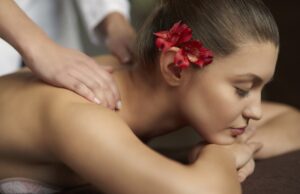
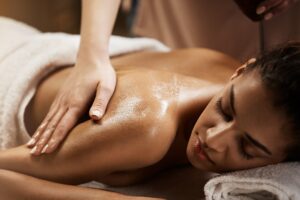
One of the primary draws of regular spa treatments is the variety of massage techniques available. Whether you prefer a gentle Swedish massage, a more intense deep tissue massage, or a specialized treatment like Thai or hot stone massage, there is something to suit every preference. Each technique offers unique benefits, from stress relief and improved circulation to muscle relaxation and pain reduction.
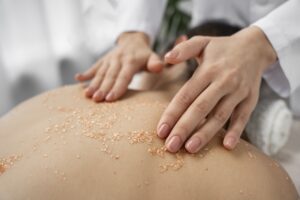
In addition to massages, regular spas often feature skincare treatments such as facials and body scrubs, which aim to rejuvenate and revitalize the skin. Many spas also offer holistic therapies like aromatherapy, reflexology, and acupuncture, providing a well-rounded approach to health and wellness. This comprehensive range of services ensures that there is always something new to try, making regular spas an appealing choice for those who enjoy variety and customization in their relaxation routines.
Comparing the Atmosphere: Turkish Hamam vs. Regular Spa
The atmosphere of a Turkish Hamam is one of tradition and history, with its grand architecture and communal spaces. The ambiance is warm, both in temperature and in the welcoming nature of its environment. The focus is on relaxation through shared experiences, often accompanied by the gentle sounds of water and traditional music. This creates a serene setting that invites you to disconnect from the outside world and immerse yourself in the ritual.
In contrast, regular spas tend to offer a more individualized and private experience. These establishments often boast modern, minimalist designs with an emphasis on tranquility and personal space. The atmosphere is typically quiet and serene, allowing you to enjoy your treatments in peace. The use of calming scents, soft lighting, and soothing music further enhances the relaxing environment, making it an ideal choice for those seeking solitude and personal pampering.
Both settings provide distinct experiences, each with its own charm. The Hamam’s cultural and social aspects make it perfect for those who appreciate tradition and community, while the regular spa’s personalized and private environment caters to individuals looking for tailored relaxation and rejuvenation. Your choice ultimately depends on your personal preferences and what you hope to gain from your wellness experience.
Health Benefits of Turkish Hamam
The Turkish Hamam offers numerous health benefits, stemming from its age-old practices that promote both physical and mental well-being. The initial phase of the Hamam ritual, which involves exposure to warm air and steam, helps to open the pores and facilitate the body’s natural detoxification process. This cleansing of the skin can lead to improved complexion and a reduction in acne and other skin blemishes.
The exfoliation process using the traditional kese mitt not only removes dead skin cells but also stimulates blood circulation and lymphatic drainage. This can enhance your skin’s appearance, improve its elasticity, and promote a healthy glow. The vigorous scrubbing can also alleviate muscle tension, leaving you feeling relaxed and revitalized.
Additionally, the communal aspect of the Hamam experience contributes to mental health benefits. The opportunity to unwind in a social setting can reduce stress and anxiety, fostering a sense of community and belonging. The combination of physical cleansing and social interaction makes the Turkish Hamam a holistic approach to wellness, addressing both the body and the mind.
Health Benefits of Regular Spa Treatments
Regular spa treatments offer a range of health benefits that can address various physical and mental wellness needs. The diverse selection of massages available at spas can help alleviate muscle pain, reduce stress, and improve circulation. For instance, a deep tissue massage targets deeper layers of muscle and connective tissue, providing relief from chronic aches and tension.
Facial treatments available at spas can lead to improved skin health and appearance. These treatments often involve cleansing, exfoliation, and masks that target specific skin concerns, leaving your face refreshed and radiant. Regular facials can also help reduce signs of aging, such as fine lines and wrinkles, by promoting collagen production and enhancing skin elasticity.
Spa treatments extend beyond physical benefits to improve mental well-being. The relaxation induced by spa therapies can significantly reduce stress levels, enhance mood, and promote better sleep patterns. Engaging in regular spa visits can become an integral part of a self-care routine, providing a sanctuary for rejuvenation and mental clarity.
Cultural Significance of the Hamam Experience
The cultural significance of the Hamam experience is deeply rooted in the social and communal aspects of traditional Turkish life. Historically, Hamams served as gathering places where people from all walks of life could meet, relax, and engage in conversations. This cultural heritage is still evident today, as Hamams continue to be places of social interaction and connectivity.
Participating in a Hamam ritual offers insight into Turkish culture and history. The practices and techniques used in Hamams have been passed down through generations, preserving a sense of authenticity and tradition. For visitors, experiencing a Hamam is not just about relaxation but also about engaging with a rich cultural practice that offers a glimpse into the past.
The Hamam experience is also symbolic of hospitality and community. It reflects the values of openness and inclusivity, welcoming people to share in a collective experience. This cultural significance adds depth to the Hamam ritual, making it an enriching and memorable experience for those seeking more than just physical relaxation.
Cost Comparison: Turkish Hamam vs. Regular Spa
When considering the cost of a Turkish Hamam versus a regular spa, several factors come into play, including the type of services offered, location, and level of luxury. Generally, Turkish Hamams tend to offer a more affordable option, especially in regions where they are a cultural norm. The communal nature of Hamams means that costs are often shared among patrons, making it a cost-effective choice for those seeking an authentic experience.
Regular spas, on the other hand, vary widely in terms of pricing based on the services and level of luxury they provide. High-end spas with a focus on personalized services and specialized treatments may come at a premium. However, many regular spas offer packages and discounts that can make them accessible to a broader range of budgets. The choice often comes down to personal preference and the specific treatments you desire.
To get the best value, consider what each experience offers in terms of relaxation, cultural enrichment, and personal wellness. Whether you opt for the traditional ambiance of a Hamam or the bespoke services of a regular spa, both experiences can provide a worthwhile investment in your well-being.
Conclusion
Choosing between a Turkish Hamam and a regular spa ultimately depends on your personal preferences and wellness goals. If you seek an experience steeped in tradition and cultural significance, with the added benefit of social interaction, a Turkish Hamam may be the perfect choice. Its communal atmosphere and historical practices offer not only physical rejuvenation but also a unique cultural immersion.
Conversely, if you value privacy and a personalized approach to relaxation, a regular spa might be more suited to your needs. With a wide array of treatments tailored to individual preferences, regular spas offer a customizable experience that can address specific wellness concerns, from stress relief to skin care.
Both experiences provide valuable health benefits and opportunities for relaxation. By understanding the key differences and what each has to offer, you can make an informed decision that aligns with your lifestyle and wellness objectives. Whichever option you choose, dedicating time to self-care through either a Hamam or a spa can enhance your overall quality of life.