


When it comes to nail enhancements, understanding the differences between gel, acrylic, and dip powder manicures can help you make informed decisions. Each type of manicure offers unique benefits and drawbacks, depending on your lifestyle and nail health. Let’s delve into what each manicure type involves and how they differ in application and appearance.
Gel manicures are popular for their glossy finish and flexibility. At salons offering the best manicure and pedicure in Islamabad, the process involves applying a gel polish that is cured under a UV or LED lamp. This curing process ensures that the polish hardens and adheres well to your nails, providing a durable and chip-resistant finish that can last up to two weeks.
Acrylic Manicures involve a mixture of liquid monomer and powder polymer that creates a hard protective layer over your natural nails. Typically used to extend the length of your nails, acrylics are versatile and can be sculpted into various shapes. They are known for their strength and durability, making them a popular choice for those seeking long-lasting results.
Dip Powder Manicures combine the best of gel and acrylic manicures. The process involves applying a base coat followed by dipping each nail into a colored powder. This is repeated until the desired opacity is achieved, and then the nails are sealed with a topcoat. Dip powder manicures are praised for their longevity, typically lasting three to four weeks without chipping.
How Each Type of Manicure Affects Natural Nail Health
The health of your natural nails is a key consideration when choosing a manicure type. Each option has distinct impacts on your nails, which can influence your decision based on your priorities for nail health.
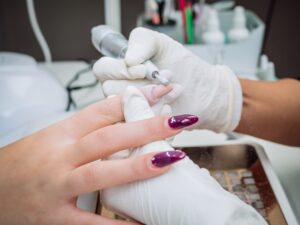
Gel manicures can be less damaging to natural nails compared to other options if applied and removed correctly. However, improper removal, often involving the peeling off of gel polish, can lead to weakened and brittle nails. Additionally, frequent exposure to UV or LED light during the curing process may pose risks, such as premature skin aging or increased cancer risk, though these are minimal with proper precautions. When choosing beauty treatments bath services, it is important to prioritize proper nail care and safe beauty practices.
Acrylic Manicures can significantly impact nail health due to the harsh chemicals used in the application and removal processes. The filing down of the natural nail to create a rough surface can lead to thinning and weakening over time. Moreover, improper maintenance or removal can cause further damage, including splitting or peeling of the natural nail.
Dip Powder Manicures are often considered a healthier alternative due to the lack of UV light exposure and less filing required. However, the removal process typically involves soaking in acetone, which can dry out and weaken nails if not followed by proper aftercare. Ensuring salons follow hygiene protocols is essential to prevent infections, as the dipping process can sometimes pose contamination risks.
Pros and Cons of Gel Manicures
Gel manicures offer a sleek and polished look that many find appealing. However, like any beauty treatment, they come with their own set of advantages and disadvantages.
Pros of Gel Manicures
- Durability: Gel manicures are known for their long-lasting finish, typically lasting up to two weeks without chipping.
- Glossy Finish: The curing process gives gel nails a brilliant shine that many traditional polishes can’t achieve. At the best spa Islamabad, you can explore professional nail care services for a polished, glossy look.
- Quick Drying: Once cured under a lamp, gel nails dry instantly, reducing the risk of smudges.
Cons of Gel Manicures
- Removal Process: Gel nails require careful removal, often involving soaking in acetone, which can be drying and damaging if done frequently.
- UV Exposure: Curing under UV or LED lamps, while brief, can be a concern for some due to potential skin damage.
- Cost: Gel manicures can be more expensive than traditional polishes and require professional application for best results.
Pros and Cons of Acrylic Manicures
Acrylic manicures have been a staple for many seeking longer, stronger nails. Yet, they are not without their pitfalls.
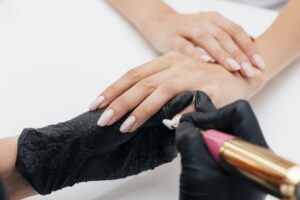
Pros of Acrylic Manicures
- Strength and Durability: Acrylics are incredibly strong and can withstand more wear and tear than other nail types.
- Customizable: They can be molded into various shapes and lengths, offering flexibility in styling.
- Repairable: If an acrylic nail breaks, it can often be fixed without removing the entire set.
Cons of Acrylic Manicures
- Nail Damage: The preparation and removal process can weaken and damage natural nails over time.
- Chemical Exposure: The strong chemicals used can be harsh on both nails and skin.
- Maintenance: Regular fills are necessary to maintain their appearance, which can be time-consuming and costly.
Pros and Cons of Dip Powder Manicures
Dip powder manicures have gained popularity for their longevity and ease of application. However, they also have considerations to keep in mind.
Pros of Dip Powder Manicures
- Longevity: These manicures can last up to four weeks without chipping, offering a low-maintenance option.
- No UV Light: The absence of curing lights is a perk for those concerned about UV exposure.
- Less Odor: Unlike acrylics, dip powders have a less potent smell, making them more pleasant to apply.
Cons of Dip Powder Manicures
- Removal Process: Soaking in acetoneis required, which can dry and weaken the nails if not followed by proper care.
- Hygiene Concerns: Cross-contamination can occur if salons do not follow proper hygiene practices.
- Thick Application: Some may find the layers of dip powder to be thicker than preferred, affecting the natural look of nails.
Nail Health Considerations for Each Manicure Type
Prioritizing nail health is crucial when choosing between gel, acrylic, and dip powder manicures. Each type affects your natural nails differently, and understanding these effects can guide your decision.
Gel Manicures often require less physical alteration of the natural nail, but attention must be paid to the removal process to avoid damage. Maintaining a regular moisturizing routine can mitigate the drying effects of acetone when removing gel polish.
Acrylic Manicures necessitate preparation that can weaken the nail bed, so it is vital to allow your nails time to recover between applications. Using strengthening treatments and avoiding excessive filing can help maintain the health of your natural nails.
Dip Powder Manicures, while generally less damaging, still require care to prevent dehydration of the nails. Ensuring proper removal and using cuticle oils regularly can help maintain moisture and prevent brittleness.
Choosing the Right Manicure for Your Lifestyle
Selecting the most suitable manicure type involves considering your lifestyle, nail health priorities, and personal preferences. Each type offers distinct advantages that may align better with your needs.
If you have an active lifestyle or require a manicure that can withstand more wear and tear, Acrylic Manicures might be the best choice due to their strength and durability.
For those who prioritize nail health and want a manicure that involves less exposure to harsh chemicals and UV light, Dip Powder Manicures may be the preferred option. They offer longevity without the need for frequent salon visits.
Gel Manicures are ideal for individuals seeking a quick-drying, glossy finish that provides a natural look. If you prefer to change your nail color more frequently, gels offer the flexibility to do so without the commitment of longer-lasting styles.
Tips for Maintaining Healthy Natural Nails
Maintaining the health of your natural nails is crucial, regardless of which manicure type you choose. Implementing a regular nail care routine can help keep your nails strong and beautiful.

- Moisturize Regularly: Use cuticle oil and hand creams daily to keep your nails and surrounding skin hydrated.
- Limit Exposure to Water: Prolonged exposure to water can weaken nails, so wear gloves when doing household chores.
- Avoid Harsh Chemicals: Use acetone-free polish removers and choose gentle nail products to minimize damage.
- Take Breaks Between Manicures: Allow your nails to breathe between applications to recover and strengthen naturally.
- Maintain a Balanced Diet: Ensure you’re getting enough vitamins and minerals, such as biotin and zinc, to promote nail health.
Expert Recommendations for Nail Care
Experts in nail care emphasize the importance of a balanced approach to manicures and nail health. They recommend being mindful of how frequently you apply and remove nail enhancements, as repeated exposure to chemicals can weaken nails.
Consider consulting with a nail technician or dermatologist if you experience persistent nail issues or damage. They can offer personalized advice and treatments to help restore your nails to optimal health.
Additionally, prioritize visiting reputable salons that adhere to strict hygiene practices. Ensuring tools are sanitized and products are fresh can prevent infections and other nail health concerns.
Conclusion: Making the Best Choice for Your Nails
Ultimately, the choice between gel, acrylic, and dip powder manicures should be guided by your lifestyle, nail health goals, and personal preferences. Each type offers unique benefits and drawbacks, so understanding these factors can help you make an informed decision.
Whether you prioritize durability, nail health, or aesthetics, there is a manicure type that can meet your needs. By following proper care and maintenance routines, you can enjoy beautiful nails while preserving the health of your natural ones.