


Understanding Spa Treatments
Spa treatments are an important part of modern wellness routines, offering relaxation, rejuvenation, and healing. They cater to a wide range of needs, from de-stressing and enhancing skin glow to alleviating muscle tension. Options include massages, facials, body wraps, and hydrotherapy, each designed to address specific concerns and create a personalized experience.
Traditional methods like Swedish massage and newer innovations such as cryotherapy allow you to tailor spa visits to your wellness goals. For example, deep tissue massage can help with chronic pain, while aromatherapy promotes relaxation.
Beyond physical benefits, spa treatments provide psychological relief and emotional balance. Regular visits support holistic well-being, leaving you refreshed physically and mentally, with a renewed sense of clarity.
Factors Affecting Spa Treatment Frequency
The ideal frequency of best spa treatments depends on individual lifestyle and wellness goals. Personal health status is a key consideration, as those with specific conditions may need to consult healthcare professionals. Stress levels and physical activity also influence how often treatments are beneficial.
Budget and time availability play an important role. While some may visit weekly, others might prefer monthly sessions. Balancing indulgence with practicality ensures a spa routine that is sustainable and fits seamlessly into daily life.
Finally, treatment frequency should align with personal goals, such as improving skin health or enhancing relaxation. Understanding your priorities helps design a spa schedule that meets your unique needs effectively.
Benefits of Regular Spa Treatments
Regular spa beauty treatments provide benefits that extend beyond relaxation. Physically, they can improve circulation, reduce muscle tension, and enhance flexibility. For those dealing with chronic pain or injuries, consistent spa visits may aid in faster recovery and pain management.
Mentally and emotionally, spa sessions offer an escape from daily stress, promoting tranquility, mental clarity, and emotional balance. The calming environment and soothing therapies cultivate a sense of self-care and well-being.
Emotionally, the nurturing atmosphere of a spa fosters a sense of self-care and self-appreciation. Taking time out for yourself reinforces the importance of prioritizing your well-being. The holistic approach of spa treatments ensures that you emerge feeling rejuvenated, with a renewed sense of purpose and positivity. Consistent indulgence in spa therapies can become a powerful tool for maintaining overall well-being.
Recommended Frequency for Different Spa Treatments
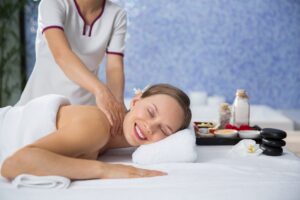
The frequency of spa treatments depends on the type of therapy and your personal goals. Massages are often recommended once a week or bi-weekly to enhance circulation, reduce tension, and maintain muscle health.
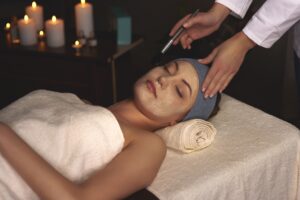
Facials, on the other hand, are typically suggested every four to six weeks. This schedule aligns with your skin’s natural regeneration cycle, allowing treatments to effectively address skin concerns and promote a healthy complexion. Regular facials can help maintain skin balance and prevent common issues like acne and dryness.
For body treatments like wraps or scrubs, a monthly visit is usually sufficient. These therapies exfoliate dead skin cells, hydrate the skin, and improve overall texture. Following these guidelines helps ensure that each spa session delivers its maximum benefits.
How Your Lifestyle Influences Spa Treatment Frequency
Your activity level plays a major role in determining spa frequency. Highly active individuals, such as those who exercise regularly or perform physically demanding work, may benefit from more frequent sessions to aid muscle recovery, reduce tension, and prevent injuries.
For those with a more sedentary lifestyle, less frequent treatments may be sufficient, but regular visits can still help counteract the effects of prolonged sitting, such as poor circulation and muscle stiffness.
Work-related stress also influences spa treatment frequency. High-stress jobs may require more consistent visits to manage stress, promote relaxation, and maintain overall well-being. Tailoring your spa routine to your activity levels, stress, and lifestyle ensures balanced care for both body and mind.
Tailoring Your Spa Schedule to Your Needs
Creating a personalized spa schedule starts with understanding your unique wellness goals, whether they focus on relaxation, pain management, or skincare. Once objectives are clear, you can select treatments that specifically address these areas.
Using a combination of therapies can maximize the benefits of spa visits. For example, pairing a massage with a facial provides both physical relaxation and skin rejuvenation, ensuring a comprehensive approach to well-being.
Remain flexible and adjust your spa schedule as your goals and lifestyle change. Regularly reassessing your needs helps ensure that your spa visits continue to provide maximum benefits and support your overall health and happiness.

The Role of Seasonal Changes in Spa Treatment Frequency
Seasonal changes can influence spa treatment frequency and therapy choices. In winter, skin may need extra hydration, making moisturizing treatments and nourishing facials essential, while cold weather can increase muscle stiffness, requiring more frequent massages.
During summer, focus may shift to treatments that cool and soothe the skin, such as aloe vera wraps or cooling facials. Increased outdoor activity can also lead to muscle fatigue, making regular massages and body treatments beneficial.
Adapting your spa routine to seasonal changes ensures that your body receives the care it needs throughout the year. By aligning your treatments with the seasons, you can address specific concerns, maintain balance, and enjoy optimal wellness year-round.
Conclusion
Finding your ideal spa treatment schedule is a journey of self-discovery and personalization. By understanding the variety of treatments and considering factors such as lifestyle, health, and personal goals, you can create a regimen that maximizes benefits and supports holistic well-being.
Remain adaptable to your body’s needs, adjusting spa visits as necessary. Combining treatments and consulting with experts can enhance your experience, ensuring you leave each session refreshed and revitalized.
Indulging in spa treatments is an investment in overall health and happiness. Whether seeking relaxation, pain relief, or skincare improvements, regular visits can help maintain balance, support well-being, and promote long-term self-care.