


Aromatherapy, often hailed as a holistic healing treatment, leverages the power of essential oils to promote well-being and tranquility. Originating thousands of years ago, this practice has roots in ancient cultures, including those of Egypt, China, and India. Today, it continues to captivate individuals seeking natural remedies for stress and emotional support.
The allure of aromatherapy lies in its ability to engage your senses, particularly smell, which is closely linked to the brain’s emotional center. By inhaling these natural essences, you can experience a calming effect that extends beyond mere relaxation. This soothing experience is often enhanced through an aromatherapy hot stone massage, which combines the therapeutic benefits of essential oils with the comforting warmth of heated stones. Aromatherapy offers a gateway to a more peaceful mind and body balance, making it a popular choice for many.
Incorporating aromatherapy into your life isn’t just about indulging in pleasant aromas; it’s about embracing a lifestyle that prioritizes mental health and emotional well-being. As you explore this practice, you’ll find that it offers not only tranquility but also a deeper connection with your inner self.
The Science Behind Aromatherapy: How It Works
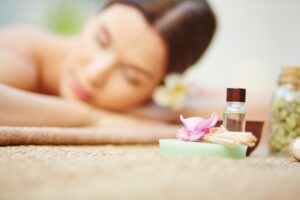
The science of aromatherapy delves into the intricate relationship between scent and the brain. When you inhale essential oils, the olfactory receptors in your nose are stimulated, sending signals directly to the brain’s limbic system. This system, known for governing emotions and memory, plays a pivotal role in how you perceive and respond to different scents.
Essential oils are composed of complex mixtures of volatile compounds. These compounds interact with your brain chemistry, influencing neurotransmitter levels. For instance, lavender oil is known to increase serotonin production, which can lead to feelings of happiness and relaxation. Understanding these interactions helps you appreciate why certain fragrances have a profound calming effect, especially when used in wellness settings such as a sauna steam room, where relaxation and sensory therapy work together to enhance overall well-being.
Moreover, scientific studies have demonstrated that aromatherapy can reduce cortisol levels, the hormone associated with stress. By lowering cortisol, essential oils can decrease anxiety and promote a sense of calm. This makes aromatherapy an effective tool for managing everyday stressors and enhancing your overall mental well-being.
The Connection Between Aromatherapy and Mental Health
Aromatherapy’s connection to mental health is profound, offering a natural pathway to emotional stability. For individuals struggling with anxiety or depression, essential oils can provide a soothing balm to frazzled nerves. By incorporating aromatherapy into your routine, you can create a calming environment that supports mental resilience. Many wellness enthusiasts seek these therapeutic experiences at the best spa in Islamabad, where aromatherapy is often integrated into holistic relaxation and self-care treatments.
Research indicates that certain scents can positively impact mood and cognitive function. For example, citrus oils like bergamot and lemon have uplifting properties that can alleviate symptoms of depression. By using these oils, you can foster a more positive outlook and improve your mental clarity.
Furthermore, aromatherapy can enhance mindfulness practices, such as meditation or yoga. The calming scents help to ground your thoughts and deepen your focus, allowing for a more immersive experience. By integrating aromatherapy with mindfulness, you nurture not only your mind but also your spirit.
Common Essential Oils Used in Aromatherapy
Aromatherapy boasts a diverse array of essential oils, each with unique properties and benefits. Here are some of the most popular oils and their uses:
- Lavender: Known for its calming effects, lavender oil is often used to promote relaxation and improve sleep quality.
- Peppermint: This invigorating oil enhances focus and clarity, making it ideal for boosting energy and concentration.
- Eucalyptus: Renowned for its respiratory benefits, eucalyptus oil can relieve congestion and support immune health.
- Tea Tree: With its antibacterial properties, tea tree oil is a favorite for skincare and reducing inflammation.
- Chamomile: Soothing and gentle, chamomile oil is perfect for reducing anxiety and enhancing emotional balance.
Understanding the specific benefits of each oil allows you to tailor your aromatherapy experience to meet your personal needs. Whether you seek relaxation, focus, or emotional upliftment, there is an essential oil that can cater to your desires.
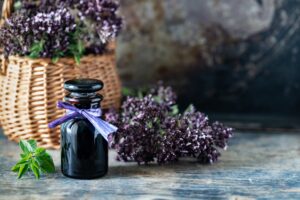
Creating blends with these oils can further amplify their effects. For example, combining lavender and chamomile can enhance their calming properties, providing a deeply relaxing experience. Experimenting with different combinations allows you to discover what works best for your unique preferences and needs.
Benefits of Aromatherapy for Stress Relief and Relaxation
Aromatherapy is celebrated for its powerful stress-relieving capabilities. When life becomes overwhelming, turning to essential oils can offer a welcome reprieve. The calming scents envelop your senses, reducing stress levels and promoting a sense of peace.
The act of inhaling essential oils allows you to pause and reset your mind. This mindful practice encourages you to be present, diminishing the worries that often plague your thoughts. By incorporating aromatherapy into your daily routine, you create moments of tranquility that can counteract the chaos of everyday life.
Moreover, aromatherapy can enhance your sleep quality, providing the rest your body and mind need to recover from stress. A few drops of lavender oil on your pillow can usher in a restful night, allowing you to wake up rejuvenated and ready to face the day. This restorative sleep is crucial for maintaining mental clarity and emotional stability.
How Aromatherapy Influences Mood and Emotions
The influence of aromatherapy on mood and emotions is both profound and multifaceted. Scents have the remarkable ability to evoke memories and emotions, making them powerful tools for emotional healing. By choosing specific oils, you can harness these effects to elevate your mood and stabilize your emotions.
Certain oils, like rose and jasmine, can enhance feelings of joy and contentment. Their floral notes have a nurturing quality that can uplift your spirits and foster a sense of well-being. By diffusing these oils in your space, you create a nurturing environment that supports emotional balance.
Furthermore, aromatherapy can serve as a form of emotional detox. Oils like frankincense and sandalwood promote introspection and mindfulness, allowing you to process and release negative emotions. Through regular use, these oils can help you cultivate a more resilient and positive mindset.
Techniques for Effective Aromatherapy Practice
To fully benefit from aromatherapy, it’s essential to practice it effectively. Here are some techniques to enhance your experience:
- Diffusion: Using an essential oil diffuser disperses the oils into the air, creating a fragrant atmosphere that fills your space with calming scents.
- Topical Application: Diluting essential oils with a carrier oil and applying them to your skin can provide direct therapeutic benefits. Popular areas for application include the wrists, temples, and soles of the feet.
- Inhalation: Simply inhaling the scent of essential oils from the bottle or using a personal inhaler can offer immediate stress relief.
- Baths: Adding a few drops of essential oils to your bath water can create a luxurious and soothing experience that helps relax both the body and mind.
- Massage: Incorporating essential oils into massage practices can enhance relaxation and soothe muscle tension, providing a holistic approach to stress relief.
Experimenting with these techniques allows you to discover what works best for your lifestyle and preferences. By integrating aromatherapy into your daily routine, you can enjoy its healing benefits consistently.
Aromatherapy in Daily Life: Tips for Incorporation
Incorporating aromatherapy into your daily life doesn’t have to be complex. Here are some simple tips to weave this practice seamlessly into your routine:
- Morning Boost: Start your day with energizing oils like peppermint or citrus to invigorate your senses and set a positive tone.
- Work Breaks: Keep a personal inhaler or roll-on with calming oils like lavender or chamomile at your desk to use during stressful moments.
- Evening Wind Down: Use a diffuser with calming oils in the evening to create a serene atmosphere that prepares your mind for restful sleep.
- Mindful Moments: Dedicate a few minutes each day to intentional breathing with your favorite essential oil, enhancing mindfulness and emotional balance.
- Home Ambiance: Use essential oils to create a welcoming and peaceful environment in your living spaces, enhancing both your mood and the atmosphere.
By incorporating these simple practices into your routine, you can effortlessly enjoy the benefits of aromatherapy and foster a calmer, more balanced lifestyle.
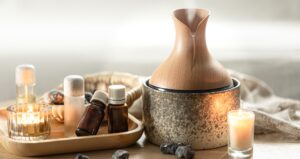
Safety and Precautions in Aromatherapy Use
While aromatherapy offers numerous benefits, it’s important to use essential oils safely. Here are some precautions to keep in mind:
- Dilution: Always dilute essential oils with a carrier oil before applying them to the skin to prevent irritation or allergic reactions.
- Patch Test: Conduct a patch test before using a new oil to ensure you don’t have an adverse reaction.
- Pregnancy and Children: Consult a healthcare professional before using essential oils if you are pregnant or planning to use them on children, as some oils may not be suitable.
- Ingestion: Avoid ingesting essential oils unless under the guidance of a certified aromatherapist or healthcare provider.
- Storage: Store essential oils in a cool, dark place to maintain their potency and prevent degradation.
By following these safety guidelines, you can enjoy the therapeutic benefits of aromatherapy while minimizing potential risks.
Conclusion: Embracing Aromatherapy for a Calmer Mind
Aromatherapy presents a unique opportunity to enhance your mental and emotional well-being through the power of scent. By understanding the science behind it and incorporating it into your daily life, you can create a sanctuary of calm in an often chaotic world. Whether you seek relaxation, emotional upliftment, or stress relief, aromatherapy offers a natural path to achieving a serene state of mind.