


Headaches are a common ailment affecting millions of people worldwide, each varying in intensity and duration. Understanding the types of headaches can help in identifying possible causes and appropriate treatments. The primary types include tension headaches, migraines, cluster headaches, and sinus headaches. Tension headaches often result from stress, poor posture, or strained muscles, while migraines are typically more severe and may include symptoms like nausea and sensitivity to light.
Triggers for headaches can be diverse and sometimes elusive. Common triggers include stress, lack of sleep, dehydration, and dietary factors such as caffeine or alcohol consumption. Environmental elements, such as bright lights or strong odors, can also instigate headaches. Identifying personal triggers is crucial for effective management and prevention, and therapies like swedish massage may help promote relaxation and reduce stress-related discomfort.
What is Massage Therapy?
Massage therapy is a practice that involves manipulating soft tissues in the body to promote relaxation and alleviate discomfort. This therapy has been used for centuries across various cultures as a way to improve physical and mental well-being. Techniques can vary widely, from gentle stroking to deep tissue manipulation, each serving specific purposes.

The primary goal of massage therapy is to enhance circulation, reduce muscle tension, and promote relaxation. By focusing on specific areas of the body, massage therapy can relieve stress and tension, which are common contributors to headaches. Massage therapists use different methods, including traditional massage, Swedish massage, deep tissue massage, and trigger point therapy, tailored to individual needs.
Massage therapy is not only a physical treatment but also a holistic approach to health. It encourages the body to heal itself by improving circulation, reducing stress, and enhancing overall well-being. This makes it an attractive option for those seeking alternative or complementary treatments for headache relief.
How Massage Therapy Works for Headache Relief
Massage therapy can effectively target headache-related discomfort by addressing physical and psychological aspects. By relieving muscle tension and enhancing blood flow, massage therapy can alleviate the physical stress that often leads to headaches. For instance, tension in the neck and shoulders frequently contributes to tension headaches, and massage can directly mitigate this tension.
The relaxing effects of massage therapy also play a crucial role in headache relief. By reducing stress hormones and promoting relaxation, massage can decrease the frequency and severity of headaches. This is particularly beneficial for those whose headaches are triggered by stress and anxiety, and therapies like balinese massage may help promote deeper relaxation and stress relief.
Moreover, massage therapy can improve sleep quality, which is essential for headache prevention. Adequate rest is vital for recovery and maintaining overall health, and massage can facilitate better sleep patterns. This holistic approach helps in not just treating existing headaches but also in preventing future occurrences.
Benefits of Massage Therapy for Headaches
Key Benefits Include:
- Reduction in Frequency and Intensity: Regular massage sessions can lead to a noticeable decrease in headache occurrences and their severity, providing long-term relief for sufferers.
- Improved Circulation: By promoting better blood flow, massage therapy helps ensure that oxygen and nutrients reach all parts of the body, reducing the likelihood of headaches.
- Stress Reduction: Stress is a significant trigger for many types of headaches, and massage therapy is renowned for its ability to relax the mind and body, lowering stress levels.
- Tension Relief: Muscle tension, especially in the neck, shoulders, and upper back, can contribute to headaches. Massage therapy targets these areas directly, providing relief.
- Enhanced Sleep Quality: Better sleep supports overall health and reduces headache triggers related to fatigue and poor sleep patterns.
Massage therapy’s multifaceted benefits make it a compelling choice for those seeking alternative headache treatments. By addressing both physical and emotional factors, it offers a comprehensive approach to headache management.
Scientific Evidence: Studies on Massage Therapy and Headache Reduction
Scientific studies have explored the efficacy of massage therapy in reducing headaches, providing promising results. Research indicates that massage therapy can significantly reduce the frequency and intensity of headaches, particularly tension-type headaches. This is attributed to the relaxation of muscle tension and the reduction of stress-related hormones.
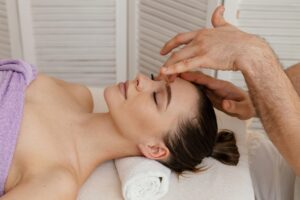
Studies have also shown improvements in sleep quality and mood following regular massage therapy sessions. These factors contribute to a decrease in headache occurrences, as they address common triggers such as stress and poor sleep. The holistic nature of massage therapy aligns well with the multifactorial nature of headaches.
While more large-scale studies are needed to fully understand the scope of massage therapy’s benefits for headache relief, existing research supports its use as a complementary treatment. Individuals experiencing chronic headaches may find relief by incorporating massage therapy into their overall treatment plan.
Techniques in Massage Therapy for Headache Relief
Various massage techniques can be utilized to address headache symptoms effectively. Understanding these methods can help you choose a suitable approach for your needs.
- Swedish Massage: This technique involves long, flowing strokes that promote relaxation and improve circulation. It’s beneficial for reducing stress and muscle tension, common headache triggers.
- Deep Tissue Massage: This approach targets deeper layers of muscle and connective tissue, addressing chronic tension and pain. It can be particularly effective for individuals with persistent tension headaches.
- Trigger Point Therapy: This technique focuses on identifying and relieving specific trigger points, or knots, within the muscles. It’s effective for addressing localized pain, often found in tension-type headaches.
- Craniosacral Therapy: A gentle technique that focuses on the cranial and sacral regions, promoting relaxation and reducing headache symptoms.
- Hot Stone Massage: The use of heated stones can enhance relaxation and improve circulation, aiding in headache relief.
Selecting the appropriate technique depends on the nature of your headaches and personal preference. Consulting with a qualified massage therapist can help determine the best approach.
How Often Should You Get Massage Therapy for Headaches?
The frequency of massage therapy sessions for headache relief can vary depending on individual needs and the severity of symptoms. For those experiencing frequent headaches, weekly sessions may provide optimal relief. Regular sessions help maintain reduced stress levels, muscle tension, and headache occurrences.
For individuals with less frequent headaches, bi-weekly or monthly sessions may suffice. It’s essential to monitor your symptoms and adjust the frequency as needed to achieve the best results. Some may find that more regular sessions initially are beneficial, tapering off as headache symptoms improve.
Consistency is key in achieving long-term benefits from massage therapy. Regular sessions not only provide immediate relief but also contribute to the prevention of future headaches by maintaining relaxation and reducing stress levels. Consider discussing your specific needs with a massage therapist to establish an effective schedule.
Self-Massage Techniques for Immediate Relief
In addition to professional massage therapy, self-massage techniques can provide immediate relief from headaches. These techniques can be performed at home or work, offering a convenient way to manage symptoms.
- Temple Massage: Use your fingertips to apply gentle pressure to your temples in a circular motion. This can help alleviate tension and promote relaxation.
- Neck and Shoulder Massage: Gently knead the muscles in your neck and shoulders to reduce tension. This is especially beneficial if your headaches are linked to muscle tightness in these areas.
- Scalp Massage: Use your fingertips to massage your scalp in circular motions. This technique can improve circulation and relieve tension, providing headache relief.
- Forehead Massage: Apply gentle pressure to your forehead using your thumbs, moving from the center outward. This can help alleviate tension headaches.
- Acupressure Points: Identify and apply pressure to specific acupressure points known to relieve headaches, such as the space between your thumb and index finger.
Incorporating these self-massage techniques into your routine can offer quick relief and complement professional massage therapy. Practicing these techniques regularly can help manage headaches and prevent their onset.
Finding a Qualified Massage Therapist
Choosing a qualified massage therapist is crucial to ensure safe and effective treatment. Start by seeking recommendations from friends, family, or healthcare providers. Look for therapists with certification from reputable institutions and experience in treating headaches.
During your first consultation, discuss your headache history, triggers, and any other health concerns. A qualified therapist should be able to tailor their approach to your specific needs, offering a personalized treatment plan.
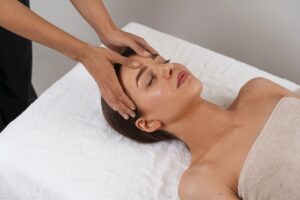
It’s important to feel comfortable and confident with your therapist. Pay attention to their communication style and willingness to listen to your concerns. A good therapist will provide guidance on complementary self-care practices and be open to adjusting techniques based on your feedback.
Conclusion: Is Massage Therapy Right for You?
Massage therapy offers a holistic approach to headache relief, addressing both physical and emotional triggers. If you experience frequent headaches and are seeking an alternative or complementary treatment, massage therapy could be a valuable addition to your routine.
Consider your specific headache triggers and symptoms when deciding whether massage therapy is right for you. While it may not be a cure-all, the benefits of reduced stress, improved circulation, and tension relief can lead to significant improvements in your quality of life.