


Regular massage therapy is more than just a luxury; it’s a vital component of a comprehensive health and wellness plan. Many people underestimate the profound impact consistent massage can have on their physical and mental well-being. By incorporating massage into your routine, you’re investing in a holistic approach to maintaining and enhancing your overall health.
The primary allure of massage therapy lies in its ability to alleviate physical discomfort. Whether you’re dealing with chronic pain, recovering from an injury, or simply seeking stress relief, massage can offer significant benefits. For example, deep tissue massage for back pain is commonly used to relieve muscle tension and improve mobility. The practice fosters relaxation, improves circulation, and helps in the release of tension, leading to a more flexible and pain-free body.
Moreover, massage therapy contributes to mental health by reducing anxiety and promoting a sense of calm. The therapeutic touch of a skilled masseuse can lower cortisol levels, the hormone associated with stress, thereby enhancing your mood and mental clarity. This dual benefit of physical relief and mental relaxation makes regular massage therapy a powerful tool for a balanced lifestyle.
Factors Influencing Frequency of Massage Sessions
Determining how often you should receive a massage depends on several personal factors. Each individual’s needs differ based on their lifestyle, health conditions, and pain levels. For example, someone interested in pakistani massage techniques may choose a different routine based on their wellness goals and relaxation needs. Therefore, understanding these elements can help tailor a massage schedule that maximizes benefits for you.
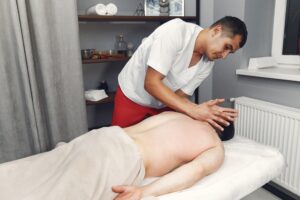
- Lifestyle and Activity Level: Active individuals or those with physically demanding jobs may require more frequent sessions to address muscle tension and injuries. Conversely, if your life is more sedentary, less frequent massages might suffice for maintaining muscle health and flexibility.
- Health Conditions: Chronic conditions like arthritis, fibromyalgia, or back pain often necessitate regular therapy to manage symptoms effectively. In such cases, weekly or bi-weekly treatments might be beneficial to maintain comfort and mobility.
- Stress Levels: If you’re experiencing high levels of stress, more frequent massages can help manage anxiety and promote relaxation. Regular sessions can prevent stress from manifesting physically, reducing tension headaches and muscle stiffness.
By assessing these factors, you can establish a massage frequency that aligns with your personal needs, ensuring optimal pain relief and overall well-being.
The Benefits of Consistent Massage for Pain Relief
Consistency is key when it comes to experiencing the full benefits of massage therapy for pain relief. Regular treatments can prevent the reoccurrence of pain, increase mobility, and enhance your quality of life by addressing both acute and chronic pain issues.
- Prevention and Maintenance: Frequent massages help in maintaining muscle health and preventing injuries. By regularly loosening tight muscles and increasing circulation, therapies such as swedish massage therapy can help deter pain from developing or worsening over time.
- Enhanced Recovery: For those recovering from injuries or surgeries, consistent massage can speed up the healing process. It aids in reducing inflammation, improving blood flow to injured areas, and alleviating discomfort, thereby facilitating quicker recovery.
- Chronic Pain Management: Individuals dealing with chronic pain conditions find massage invaluable in managing symptoms. Regular sessions can decrease reliance on pain medications, providing a more natural and sustainable form of relief.
Ultimately, regular massage therapy can lead to long-term improvements in pain management, offering both physical and emotional relief.
How to Determine Your Ideal Massage Schedule
Crafting an ideal massage schedule requires a balance between your needs, availability, and financial considerations. To find a routine that works best for you, consider these steps:
- Consult a Professional: Begin by discussing your specific needs with a massage therapist. They can provide expert advice tailored to your health condition, lifestyle, and goals.
- Evaluate Your Response: After a few sessions, assess how your body responds to the frequency of massages. If you notice prolonged relief and improved mobility, you might be on the right track.
- Adjust as Needed: Be open to modifying your schedule based on changes in your life or health. For instance, if you start a new workout regimen, you might need more frequent massages to accommodate increased muscle use.
Creating a personalized massage schedule that fits your life and health needs will ensure you reap the maximum benefits from each session.
Different Types of Massage Techniques and Their Frequency
Various massage techniques cater to different needs and may require different frequencies. Understanding these can help you choose the right type for your specific issues.

- Swedish Massage: This popular technique is ideal for relaxation and stress relief. Depending on your stress levels, a bi-weekly or monthly session might be sufficient.
- Deep Tissue Massage: Recommended for chronic pain and muscle injuries, deep tissue massage may require more frequent sessions, such as weekly, to effectively address deep-seated tension.
- Sports Massage: Tailored for athletes, this type of massage is often scheduled around training or events to prevent injuries and enhance performance. Frequency can vary based on activity level.
- Trigger Point Therapy: For those suffering from specific areas of pain, this technique targets knots and tension points and may require multiple sessions in a short period to achieve optimal results.
By selecting the appropriate massage technique and frequency, you can ensure targeted relief and improved well-being.
Signs That Indicate You Need More Frequent Massages
Listening to your body is crucial in determining whether you need to increase the frequency of your massage sessions. Here are some signs that may indicate a need for more regular therapy:
- Persistent Pain: If you find that pain relief from previous sessions is short-lived, it might be time to increase the number of massages.
- Increased Stress: Heightened stress levels that affect your daily life can be alleviated with more frequent massages, helping you regain balance and relaxation.
- Limited Mobility: Stiffness or restricted movement, especially after physical activity, may signal a need for more regular massages to maintain flexibility and comfort.
- Sleep Disturbances: Difficulty sleeping due to pain or stress can often be improved with additional massage sessions, promoting deeper and more restful sleep.
Paying attention to these indicators can guide you in adjusting your massage routine to better suit your current needs.
Combining Massage with Other Pain Management Strategies
Integrating massage therapy with other pain management strategies can enhance its effectiveness and provide comprehensive relief. Consider combining massage with the following approaches:
- Physical Therapy: Complementing massage with physical therapy exercises can improve strength and flexibility, addressing pain from multiple angles.
- Chiropractic Care: Regular chiropractic adjustments can work synergistically with massage to align the body and relieve pain more effectively.
- Mindfulness and Meditation: Techniques such as meditation and yoga can reduce stress and tension, potentially enhancing the benefits of massage therapy.
- Nutritional Support: A balanced diet rich in anti-inflammatory foods can support your body’s natural healing processes, amplifying the impact of massage.
By creating a multi-faceted approach to pain management, you can achieve more sustainable and long-term results.
Expert Recommendations on Massage Frequency
Experts in the field of massage therapy often provide general guidelines to help individuals determine the right frequency for their needs. Here are some common recommendations:
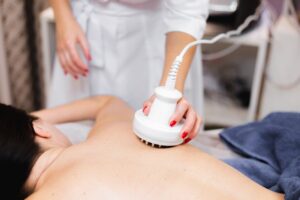
- For General Wellness: A monthly massage is typically suggested to maintain overall health and prevent stress build-up.
- For Chronic Pain: Those experiencing ongoing pain may benefit from weekly or bi-weekly sessions to manage symptoms effectively.
- For Recovery and Rehabilitation: Post-injury or surgery, more frequent sessions, like twice a week, are often recommended to support the healing process.
- For High-Stress Levels: Individuals facing high stress might find weekly massages beneficial to maintain mental clarity and relaxation.
Consulting with a professional can help tailor these recommendations to your specific circumstances, ensuring you receive the best care possible.
Personalizing Your Massage Routine for Optimal Results
Personalizing your massage routine involves more than just setting a schedule. It requires an understanding of your preferences, goals, and the outcomes you wish to achieve. Here are some tips to help you customize your routine:
- Choose the Right Therapist: Finding a therapist whose style and technique align with your needs is crucial for a beneficial experience.
- Set Clear Goals: Identify what you hope to achieve with massage therapy, whether it’s pain relief, stress reduction, or improved flexibility.
- Incorporate Feedback: Communicate with your therapist about what works for you and what doesn’t, allowing them to adjust their approach for better results.
- Monitor Progress: Keep track of how you feel before and after each session to identify patterns and make necessary adjustments to your routine.
By taking an active role in shaping your massage therapy experience, you can achieve the most beneficial outcomes for your health and wellness.
Conclusion: Finding Your Perfect Balance for Pain Relief
Finding the perfect balance in your massage therapy routine is a personal journey that involves understanding your body’s needs and responding accordingly. By considering factors such as lifestyle, health conditions, and stress levels, you can tailor a schedule that provides effective pain relief and enhances overall well-being.
Remember, massage therapy is most beneficial when integrated into a holistic approach to health. Combining it with other pain management strategies and maintaining open communication with your therapist will ensure you receive comprehensive care.