

Understanding Hair Structure and Its Importance
Your hair’s structure is more than just what meets the eye. It consists of three main layers: the cuticle, cortex, and medulla. The outermost layer, the cuticle, protects the inner layers from damage. The cortex, which contains keratin and pigments, determines your hair’s strength, color, and texture. The medulla is the innermost layer, which is more prominent in thicker hair types.
Understanding the structure of your hair is essential because it helps you identify what it needs. Each layer plays a role in maintaining hair health, and hair treatment in Rawalpindi can help address concerns when one layer is compromised. For instance, damaged cuticles can lead to moisture loss, while a weakened cortex may result in brittle hair.
By familiarizing yourself with these structural elements, you can better assess and address your hair’s specific needs. This understanding forms the foundation for determining whether your hair requires more protein or moisture, leading to more targeted and effective care.
The Role of Protein and Moisture in Hair Health
Protein and moisture are the cornerstones of healthy hair. Keratin, the primary protein in hair, provides structure and strength. It helps maintain elasticity and prevents breakage. When your hair lacks protein, it becomes weak and prone to damage. Regular protein treatments can fortify your hair, making it more resilient.

Moisture, on the other hand, is crucial for maintaining your hair’s suppleness and luster. It prevents dryness and frizz, ensuring your hair remains manageable and soft. Adequate moisture balance helps in closing the cuticle layer, which protects the inner structure of the hair shaft. A best spa can offer professional care to help maintain your hair’s moisture balance and reduce environmental damage.
Balancing protein and moisture is key to achieving optimal hair health. Too much protein can make hair stiff and brittle, while excess moisture can lead to limp and lifeless strands. Understanding the delicate interplay between these two elements will help you customize your hair care routine to meet your hair’s specific needs.
Signs Your Hair Needs Protein
Recognizing the signs that your hair needs protein is the first step in addressing its needs. One of the most common indicators is excessive breakage. If you find that your hair snaps easily during styling or brushing, it may be lacking in protein. This is because protein helps maintain the structural integrity of your hair, preventing it from breaking under stress.
Another sign is the loss of elasticity. Healthy hair should stretch and return to its original shape without breaking. If your hair feels mushy or gummy when wet and doesn’t spring back easily, a ladies beauty salon can provide professional care to help restore its health and strength. This lack of elasticity is a telltale sign that your hair’s protein structure is compromised.
Lastly, if your hair feels lifeless and lacks volume, it may be due to insufficient protein. Protein helps to fill in the gaps in the hair shaft, adding body and fullness. If your hair appears flat despite using volumizing products, it might be time to incorporate a protein treatment into your routine.
Signs Your Hair Needs Moisture
Just as important as protein, moisture is essential for hair health. If your hair feels dry, rough, or straw-like, it is likely in need of hydration. This dryness can lead to tangling and increased friction, making your hair difficult to manage and style. A lack of moisture often results in frizziness, especially in humid weather, as dry hair absorbs moisture from the air.
Another indication of moisture deficiency is the presence of split ends and breakage. When hair lacks moisture, the cuticle layer becomes raised and rough, leading to breakage and the formation of split ends. Regular moisturizing treatments can help smooth the cuticle and prevent further damage.
Furthermore, if your hair is dull and lacks shine, it might be lacking moisture. Healthy, hydrated hair reflects light, giving it a natural shine. Without adequate moisture, hair can appear lackluster and deprived of its natural vibrancy. Incorporating deep conditioning treatments and using hydrating products can restore moisture balance and bring back your hair’s natural shine.
Methods to Test Hair for Protein Needs
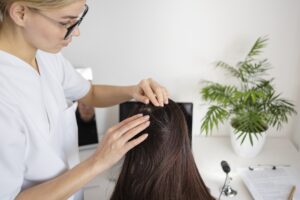
Testing your hair for protein needs can help you determine the right course of action. One simple test is the “stretch test.” Take a small section of your hair, hold it taut, and gently stretch it. If the hair stretches and then breaks, it is likely deficient in protein. This indicates that the structural integrity of your hair is compromised.
Another method is the “float test.” Place a few strands of clean hair in a bowl of water. If the hair sinks quickly, it may be heavy and in need of protein. Hair that floats or takes a long time to sink may already have a balanced protein level. This test helps assess the porosity and protein needs of your hair.
Lastly, consider how your hair reacts to products. If your hair feels limp or mushy after using moisturizing products, it may be oversaturated with moisture and in need of protein. Conversely, if your hair feels strong and healthy after a protein treatment, it confirms that protein was needed. Pay attention to how your hair responds and use this feedback to guide your protein treatments.
Methods to Test Hair for Moisture Needs
Testing for moisture needs is equally important. One common method is the “wet assessment.” After washing your hair, note how it feels when wet. If it feels dry, brittle, or tangles easily, it likely needs more moisture. Hair that feels smooth and soft when wet typically has a good moisture balance.
Another technique is the “snap test.” Take a small section of hair and gently pull it. If it snaps immediately, your hair may be lacking moisture. Healthy hair should stretch slightly before breaking. This test helps determine whether your hair is too dry and in need of hydration.
Additionally, observe how your hair behaves in different environments. If it becomes frizzy or unmanageable in humid conditions, it might be seeking moisture. Hair that struggles to maintain style or becomes excessively dry in dry climates might also indicate a need for more hydration. These observations can guide you in adjusting your moisture treatments accordingly.
How to Adjust Your Hair Care Routine Based on Test Results
Once you’ve identified your hair’s protein and moisture needs, it’s crucial to adjust your routine accordingly. Start by choosing products that address these specific needs. Look for shampoos, conditioners, and treatments labeled for protein or moisture depending on your hair’s requirements.
Incorporate regular treatments into your routine. If your hair needs protein, consider using a protein mask or treatment once a week. For moisture, use a deep conditioning treatment or leave-in conditioner. These treatments should be tailored to your hair’s needs, ensuring you don’t overdo it and throw off the balance.
Finally, pay attention to how your hair responds over time. Regularly reassess your hair’s condition and adjust your routine as needed. Hair needs can change with seasons, lifestyle, and other factors, so staying attuned to these changes is vital. By maintaining this balance, you ensure your hair remains healthy and resilient.
Common Hair Care Myths Debunked
When it comes to hair care, myths abound. One common misconception is that trimming your hair frequently will make it grow faster. While regular trims prevent split ends and breakage, they do not accelerate hair growth. Hair growth is determined by genetics and overall health, not the frequency of trims.
Another myth is that you should shampoo your hair daily to keep it clean. In reality, over-washing can strip your hair of its natural oils, leading to dryness and damage. Depending on your hair type and lifestyle, washing two to three times a week is often sufficient to maintain cleanliness and health.
Lastly, many believe that more product equals better results. Overloading your hair with products can lead to buildup and weigh it down. Instead, focus on using the right amount of high-quality products that cater to your hair’s specific needs. Quality over quantity is key in achieving optimal hair health.
Recommended Products for Protein and Moisture Balance
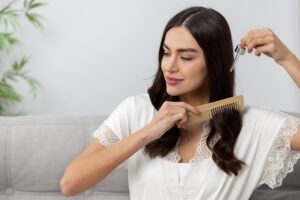
Choosing the right products is essential for maintaining a protein and moisture balance. Look for products that specifically address your hair’s needs. For protein, consider using keratin-infused shampoos and conditioners, as they help reinforce the hair structure. Protein masks and treatments can also be beneficial for damaged hair.
For moisture, opt for hydrating shampoos and conditioners containing ingredients like aloe vera, glycerin, and oils such as argan or coconut. Leave-in conditioners and deep conditioning masks can provide additional hydration, keeping your hair smooth and manageable.
Here is a quick reference table to guide your product selections:
| Hair Need | Recommended Products |
| Protein | Keratin shampoos, protein masks, strengthening treatments |
| Moisture | Hydrating shampoos, leave-in conditioners, deep masks |
Experiment with different products to find what works best for your hair. Remember, your hair’s needs may change over time, so be open to adjusting your product lineup as necessary.
Conclusion: Achieving Optimal Hair Health
Achieving optimal hair health requires understanding your hair’s unique needs and addressing them through targeted care. By accurately testing your hair for protein and moisture needs, you can tailor your routine to maintain the perfect balance. This approach not only enhances the appearance of your hair but also its overall health and resilience.
Take the time to regularly assess your hair’s condition and be proactive in adjusting your hair care routine. Whether your hair needs more protein, moisture, or a combination of both, the key is to remain attentive and responsive. With the right approach, you can enjoy healthy, beautiful hair that reflects your commitment to its care.